
Pelvic floor problems are not just a women’s health issue.
Men can experience pelvic pain, urinary symptoms, sexual dysfunction, bowel difficulties, or changes following prostate surgery—and the pelvic floor may be one part of the picture.
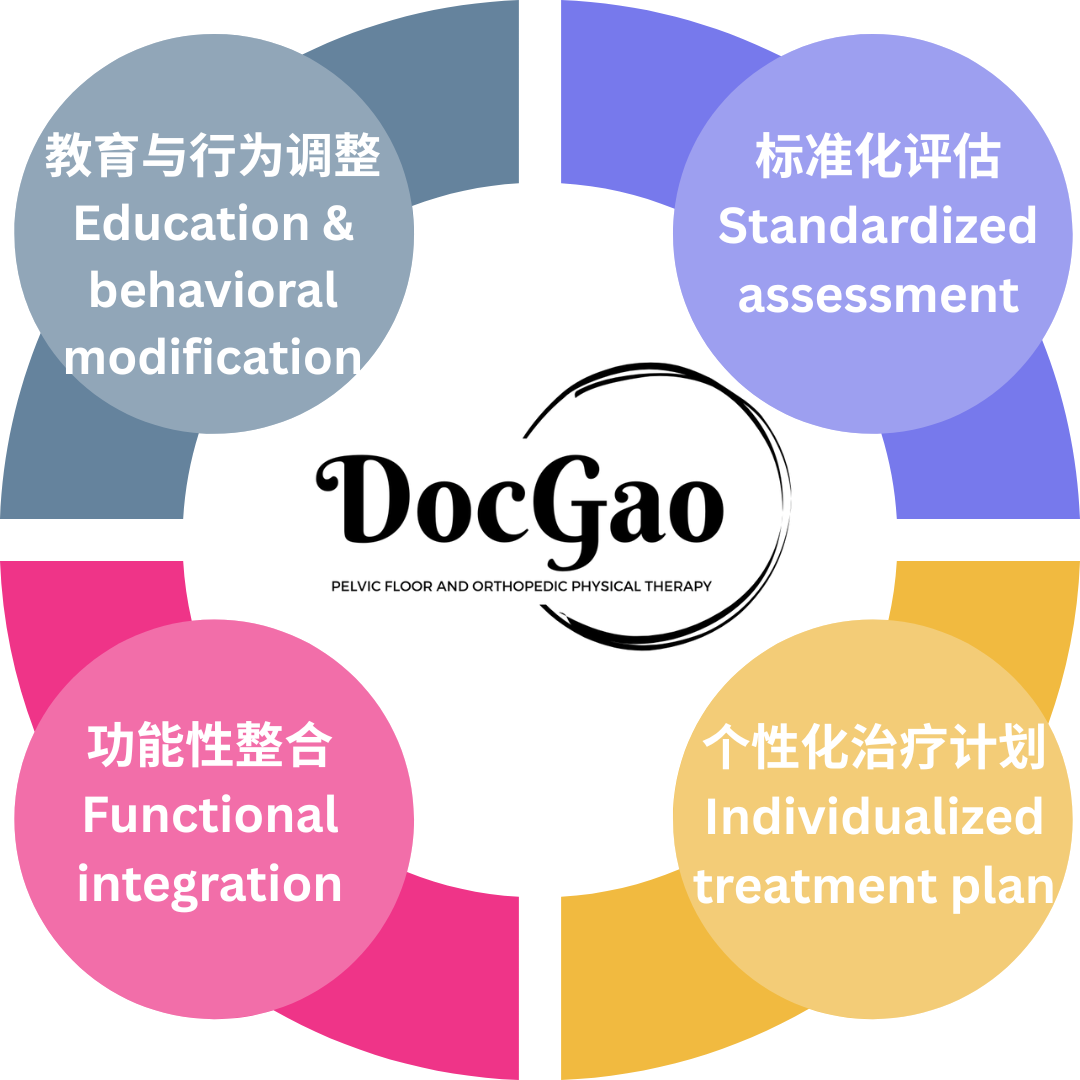
At DocGao Physical Therapy in Shanghai, we provide individualized pelvic floor physical therapy for men. Treatment begins with understanding your symptoms, history, daily activities, and goals—not simply assuming that your pelvic floor is “weak” or that you need more Kegels.
男性也有盆底肌。
慢性盆腔疼痛、会阴或睾丸区域疼痛、尿频尿急、排尿困难、性生活相关疼痛,以及前列腺手术后的尿控问题,都可能与盆底功能有关。
在 DocGao 上海物理治疗,我们为男性提供一对一盆底物理治疗。治疗并不是一开始就告诉你“盆底肌太弱,需要多做凯格尔”,而是先了解你的症状、病史、生活与运动习惯,以及你真正希望恢复的功能,再通过专业评估制定个性化治疗方案。
Male Pelvic Floor Physical Therapy in Shanghai
上海男性盆底物理治疗
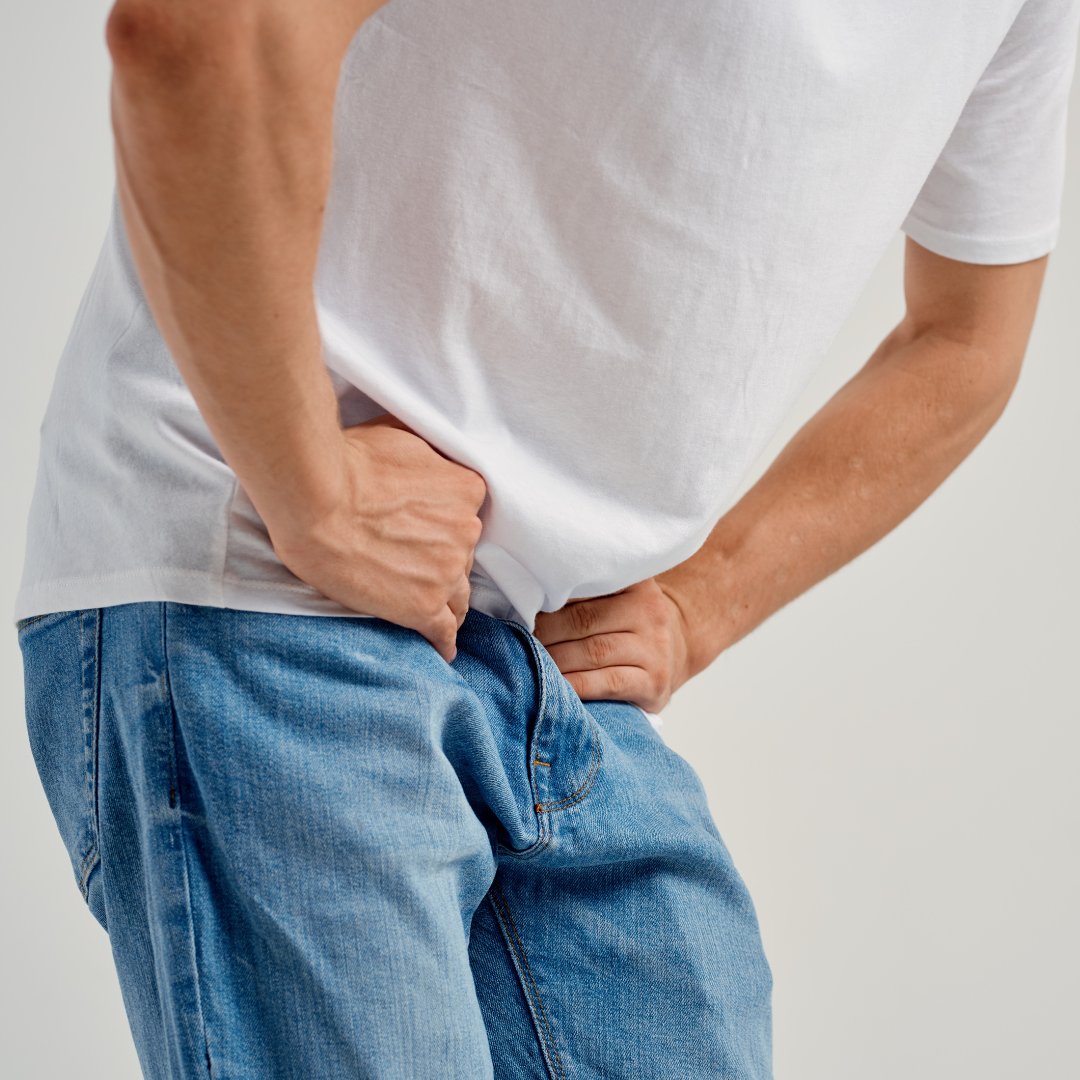

What Male Pelvic Floor Conditions Do We Treat?
哪些男性盆底问题可以寻求物理治疗?
Men may consider pelvic floor physical therapy for:
✔ Chronic Pelvic Pain Syndrome (CPPS)
✔ Persistent pelvic or perineal pain
✔ Pelvic floor muscle tightness or overactivity
✔ Urinary urgency or frequency
✔ Difficulty starting or maintaining urine flow
✔ Urinary leakage
✔ Pain associated with sitting
✔ Pain in the perineum, penis, testic, groin, or tailbone region
✔ Pain during or after ejaculation
✔ Sexual function concerns associated with pelvic floor dysfunction
✔ Bowel movement or defecatory difficulties
✔ Rehabilitation before or after prostate surgery
✔ Returning to exercise, lifting, running, cycling, or sport with pelvic floor symptoms
男性盆底物理治疗常见的就诊原因包括:
✔ 慢性盆腔疼痛综合征(CPPS)
✔ 長期盆腔或会阴区域疼痛
✔ 盆底肌过度紧张或难以放松
✔ 尿频、尿急
✔ 排尿启动困难或尿流异常
✔ 漏尿
✔ 久坐相关盆腔或会阴不适
✔ 会阴、阴茎、睾丸、腹股沟或尾骨区域疼痛
✔ 射精过程中或射精后的疼痛
✔ 与盆底功能相关的性生活问题
✔ 排便困难
✔ 前列腺手术前后的功能康复
✔ 带着盆底症状重返健身、跑步、骑行或其他运动
Pelvic symptoms can have multiple contributing factors. Having one of these symptoms does not automatically mean that the pelvic floor is the only cause.
盆底症状往往并不是由单一因素造成。出现以上症状,也不代表问题一定全部来自盆底肌。专业评估的意义,正是帮助我们判断盆底在你的症状中扮演什么角色。

CPPS and Male Pelvic Pain
CPPS 与男性慢性盆腔疼痛
Some men with persistent pelvic pain have already gone through multiple medical appointments, tests, medications, or treatment for suspected prostatitis before learning about pelvic floor physical therapy.
When infection or other medical conditions have been appropriately evaluated, pelvic floor muscle overactivity, difficulty relaxing, sensitivity, breathing and pressure strategies, movement patterns, and the nervous system may all contribute to persistent symptoms.
This is why treatment for CPPS is rarely as simple as finding one “tight muscle” and releasing it.
有些男性慢性盆腔疼痛患者,在找到盆底物理治疗之前,已经经历过多次泌尿科就诊、检查,甚至接受过针对“前列腺炎”的药物治疗。
在感染及其他需要医疗处理的问题经过适当排查后,我们还需要进一步了解:盆底肌是否过度紧张?是否能够正常收缩与放松?呼吸和腹压如何协调?髋关节、腰椎和骨盆如何活动?神经系统是否长期处于敏感状态?
因此,CPPS 的康复通常并不是简单地“找到一个很紧的点,然后把它按开”。

Is a Tight Pelvic Floor the Same as a Weak Pelvic Floor?
盆底肌紧,就是盆底肌弱吗?
Not necessarily.
A healthy pelvic floor needs to do more than contract. It also needs to relax, lengthen, coordinate with breathing and abdominal pressure, and respond appropriately during movement, urination, bowel movements, sexual activity, and exercise.
For some men, repeatedly performing Kegels without first understanding pelvic floor function may not address the actual problem.
不一定。
一个功能良好的盆底,不只是要“有力量”。
它需要能够收缩,也能够充分放松;能够配合呼吸和腹压变化;并在排尿、排便、性生活、负重和运动时,根据身体需求做出适当反应。
因此,并不是所有男性盆底问题都需要更多凯格尔训练。对于已经存在盆底肌过度活跃或放松困难的人,首先需要解决的可能恰恰不是“练得更用力”。
What Does a Male Pelvic Floor Assessment Include?
男性盆底物理治疗如何评估?
Your first visit starts with a conversation.
We want to understand your symptoms, medical history, bladder and bowel habits, sexual health concerns when relevant, exercise and daily activities, previous treatments, and what you would like to return to doing comfortably.
A physical assessment may include:
⚪Breathing and pressure management
⚪Spine, hip, pelvis, and lower-extremity mobility
⚪Strength and movement assessment
⚪Abdominal and core function
⚪Pelvic floor coordination
⚪External pelvic floor assessment
⚪Internal pelvic floor assessment when clinically appropriate and with your consent
Not everyone needs every component of the assessment.
首次就诊首先从沟通开始。
我们会了解你的症状、相关病史、排尿与排便习惯、必要时讨论性生活相关症状、运动和生活方式、曾经接受过的治疗,以及你真正希望恢复到怎样的生活状态。
身体评估可能包括:
⚪呼吸与腹压管理
⚪腰椎、髋关节、骨盆及下肢活动度
⚪肌力与动作功能
⚪腹部与核心功能
⚪盆底肌收缩与放松协调
⚪外部盆底评估
⚪在临床有需要且获得你同意的情况下进行内部盆底评估
并不是每位患者都需要完成以上所有检查。
Manual Therapy & Trigger Point Release
手法治疗与板机点放松
Manual therapy can be one part of male pelvic floor rehabilitation.
Depending on your assessment, treatment may include external or internal soft-tissue techniques, myofascial techniques, trigger point treatment, joint mobilization, or treatment of surrounding areas such as the hips, abdomen, spine, and pelvic region.
But manual therapy is a tool—not the entire treatment plan.
Finding a tender point does not necessarily mean that it is the single “root cause” of your symptoms, and effective treatment does not need to be aggressively painful.
For many people, hands-on treatment works best when combined with strategies that improve breathing, pelvic floor relaxation and coordination, movement, strength, symptom self-management, and gradual return to meaningful activities.
手法治疗可以是男性盆底康复的一部分,但不是治疗的全部。
根据评估结果,治疗可能包括外部或内部软组织治疗、筋膜相关手法、trigger point 治疗、关节松动,以及针对髋部、腹部、腰椎和骨盆周围组织的治疗。
但我们不会因为找到一个疼痛点,就简单地把它定义为所有症状的“根源”;有效的手法治疗也不意味着一定要非常疼痛。
对很多患者来说,手法治疗需要结合呼吸、盆底肌放松与协调训练、动作调整、力量训练、自我症状管理,以及逐步回归生活和运动,才能真正把治疗效果带回日常生活。
What Does Treatment Look Like?
男性盆底康复到底会做什么?
There is no single treatment program for every man.
Depending on your assessment and goals, pelvic floor physical therapy may include:
⚪Pelvic floor relaxation or strengthening when appropriate
⚪Breathing and pressure-management strategies
⚪Internal or external manual therapy when indicated
⚪Myofascial and trigger point techniques
⚪Neuromuscular coordination training
⚪Hip, spine, and pelvic mobility
⚪Core and whole-body strength training
⚪Bladder and bowel habit education
⚪Movement and exercise modification
⚪Home exercise and self-management strategies
⚪Guidance on tools such as a pelvic wand when appropriate
⚪Progressive return to work, exercise, sex, and sport
男性盆底康复没有一套所有人都一样的“标准动作”。
根据你的评估结果和目标,治疗可能包括盆底肌放松或力量训练、呼吸与腹压管理、内部或外部手法治疗、筋膜与 trigger point 技术、神经肌肉协调训练、髋部与腰骨盆活动度训练、核心与全身力量训练、膀胱和排便习惯调整,以及个性化居家训练。
必要时,我们也会指导 pelvic wand 等自我管理工具的使用。
最终目标并不是让你永远依赖治疗师帮你“放松肌肉”,而是帮助身体重新建立功能,并逐步回到工作、运动、性生活和你真正重视的生活。
Prostate Surgery Rehabilitation
前列腺手术前后康复
Pelvic floor physical therapy can also support men before and after prostate surgery.
Rehabilitation may address urinary continence, pelvic floor coordination, breathing and pressure management, strength, mobility, exercise, and return to daily activities.
Simply doing as many Kegels as possible is not the goal. Learning how to correctly identify, contract, relax, and use the pelvic floor during real-life activities is more important.
盆底物理治疗也可以参与前列腺手术前后的功能康复。
治疗可能涉及尿控、盆底肌协调、呼吸与腹压管理、力量、活动度、运动以及逐步回归日常生活。
重点并不是“凯格尔做得越多越好”,而是帮助患者正确找到盆底肌,并学习如何收缩、放松,以及如何在真实生活与动作中使用它。
Pelvic Floor Care Is More Than Kegels
男性盆底康复,不只是凯格尔
Living with pelvic symptoms can affect far more than the pelvis. It may influence exercise, work, sitting, sleep, relationships, sexual health, and confidence in your own body.
Our goal is not simply to make one muscle stronger or release one trigger point.
We want to understand how your symptoms fit into the bigger picture, help you build the skills and physical capacity to manage them, and support your return to the activities that matter to you.
Male Pelvic Floor Physical Therapy in Shanghai
One-on-one, individualized pelvic health care at DocGao.
盆底问题影响的往往不只是“盆底”。
它可能影响工作、久坐、睡眠、运动、亲密关系、性生活,以及你对自己身体的信任。
我们的目标并不是单纯让某一块肌肉变强,也不是不断寻找并按压 trigger point。
我们希望真正理解你的症状如何与整个身体和生活产生联系,帮助你逐渐建立自我管理能力、恢复身体功能,并最终回到对你重要的生活与运动。
上海男性盆底物理治疗
一对一、个性化、以功能与生活目标为中心的盆底康复。
Frequently Asked Questions
男性盆底物理治疗 FAQ
-
Yes. DocGao provides one-on-one pelvic floor physical therapy for men in Shanghai, including care for CPPS, pelvic pain, urinary symptoms, pelvic floor overactivity, and rehabilitation surrounding prostate surgery.
是的。DocGao 在上海提供一对一男性盆底物理治疗,包括 CPPS、慢性盆腔疼痛、排尿相关症状、盆底肌过度活跃,以及前列腺手术前后康复等。
-
Yes. Pelvic floor physical therapy may be appropriate for some men with CPPS or persistent pelvic pain, particularly when pelvic floor muscle function, movement, or neuromuscular factors are contributing to symptoms. Medical causes that require physician management should be appropriately evaluated.
是的。对于部分 CPPS 或长期盆腔疼痛患者,如果盆底肌功能、动作或神经肌肉因素参与了症状,盆底物理治疗可能成为整体治疗的一部分。与此同时,需要医生处理或进一步排查的医学问题仍应接受相应评估。
-
When clinically appropriate, an internal pelvic floor examination may provide useful information about muscle tone, tenderness, strength, relaxation, and coordination. It is not mandatory and is only performed after the procedure has been explained and with your consent.
在临床有需要时,内部盆底检查可以帮助治疗师进一步了解盆底肌张力、敏感度、力量、放松能力与协调情况。
内部检查并不是强制项目。 治疗师会事先解释检查目的和过程,并且只有在获得患者同意后才会进行。
-
Yes, when appropriate based on the assessment. Manual therapy may include internal or external soft-tissue and myofascial techniques, trigger point treatment, and treatment of related musculoskeletal areas. It is usually integrated with active rehabilitation rather than used as a stand-alone treatment.
会。在评估后确认适合的情况下,治疗可能包括内部或外部软组织手法、筋膜相关技术、trigger point 治疗,以及相关肌骨区域的治疗。
在 DocGao,手法通常会与主动康复结合,而不是把它作为唯一的治疗方式。
-
No. Pelvic pain can involve multiple biological, musculoskeletal, neurological, behavioral, and contextual factors. Treatment should be based on your individual assessment rather than the assumption that every case is caused by trigger points.
不需要。盆腔疼痛可能受到肌骨、神经、生理、行为以及其他多种因素共同影响。是否需要 trigger point 治疗,应根据个人评估决定,而不是认为所有盆腔疼痛都来自“肌肉结节”。
-
DocGao's in-person physical therapy sessions are approximately 60 minutes and are provided one-on-one.
DocGao 线下物理治疗为一对一治疗,每次约 60 分钟。
-
If you have unexplained or changing pelvic symptoms, blood in the urine or stool, signs of infection, significant neurological changes, or other concerning symptoms, medical evaluation may be needed before or alongside physical therapy.
For insurance reimbursement or direct billing, referral and pre-authorization requirements may depend on your individual insurance plan. Please contact us for more insurance questions.
如果存在原因不明或明显变化的盆腔症状、血尿或便血、感染表现、明显神经系统变化或其他需要警惕的症状,可能需要先接受或同时接受相应医学评估。
如果涉及商业保险报销或直付,是否需要医生转诊或预授权,则取决于个人保险计划。欢迎联系我们查询保险福利。